
7.1.1 Service philosophy and purpose

A statement of philosophy guides all aspects of the service’s operations.

The NQS guide says (a) we need to develop a written philosophy that is based upon the ‘guiding principles’ of the National Quality Framework and the National Law and (b) our statement of philosophy should serve three purposes.

  1. underpins the decisions, policies and daily practices
    of the service
  2. reflects a shared understanding of the role of the service among staff, children, families and the community
  3. guides educators’ pedagogy, planning and practice when delivering the educational program.

First, we need to discover what that National Law says in relation to ‘guiding principles’. Please note the Law sits above the Regulations.

(3) The guiding principles of the national education and care services quality framework are as follows—

(a) that the rights and best interests of the child
are paramount;
(b) that children are successful, competent and capable learners;
(c) that the principles of equity, inclusion and diversity underlie this Law;
(d) that Australia’s Aboriginal and Torres Strait Islander cultures are valued;
(e) that the role of parents and families is respected and supported;
(f) that best practice is expected in the provision of education and care services.
Education and Care Services National Law Act 2010
Page 13.

Reviewing your philosophy – Part 1

The NQS Guide says educators need to be meaningfully involved in reviewing the service’s statement of philosophy. Read your current philosophy then discuss it with your team and answer the questions in the next column.

After the review process you may need to subtract or add to your philosophy.

Review your philosophy in relation to the ‘guiding principles’ of the National Law.

Can you find point (a) in your philosophy?
(a) that the rights and best interests of the child are paramount;

___________________________________________________


Can you find point (b) in your philosophy?
(b) that children are successful, competent and capable learners;

___________________________________________________


Can you find point (c) in your philosophy?
(c) that the principles of equity, inclusion and diversity underlie this Law;

___________________________________________________


Can you find point (d) in your philosophy? (d) that Australia’s Aboriginal and Torres Strait Islander cultures are valued;

___________________________________________________


Can you find point (e) in your philosophy? (e) that the role of parents and families is respected and supported;

___________________________________________________


Can you find point (f) in your philosophy? (f) that best practice is expected in the provision of education and care services.

___________________________________________________

Reviewing your philosophy –  Part 2. The NQS Guide says ‘A statement of philosophy’ underpins the decisions, policies and daily practices of the service. Let’s focus on the ‘decisions’ and ‘daily practices’ in relation to the National Law and your philosophy.

Here are some examples and on the next page is where you can add your own practices.

The Law Section of your philosophy Your ‘decisions’ and ‘daily practices’
(a) that the rights and best interests of the child are paramount; Keeping children safe We ensure children are emotionally safe and know what’s happening during the day. That’s why we teach the parents how to say goodbye to their child before leaving even though it is very difficult for some parents
The Law Section of your philosophy Your ‘decisions’ and ‘daily practices’
(b) that children are successful, competent and capable learners; Keeping children safe

Always improving
We realised we needed to be mindful of children’s views and feelings. For example, we ignored children’s wishes on whether they wish to share their work with others by hanging their art without their permission. This has now changed. It’s very interesting to watch the difference when children want to show their work and when they don’t. We feel this could have something to do with how they feel about their capabilities.
The Law Section of your philosophy Your ‘decisions’ and ‘daily practices’
(c) that the principles of equity, inclusion and diversity underlie this Law; Meeting family’s needs We ensure Jackson our child on the autistic spectrum doesn’t become dependent on our support worker as this would create stress for Jackson when she isn’t there. We are actively working with the other children in the room to include Jackson.
The Law Section of your philosophy Your ‘decisions’ and ‘daily practices’
(d) that Australia's Aboriginal and Torres Strait Islander cultures are valued; Meeting family’s needs We don't need to wait for NAIDOC Week. Maalaa's mum Clair set a great example of this when she engaged with the children by identifying native bush foods which were growing near the centre. Clair and her daughter enjoyed sharing this knowledge and eating the native food with the class. This has sparked an interest with Nathan wanting to share more about his culture, which in turn has seen us holding regular corroborees in the room.
The Law Section of your philosophy Your ‘decisions’ and ‘daily practices’
(e) that the role of parents and families is respected and supported; Meeting family’s needs We ensure all religious dietary requirements are met for our families and celebrate the differences
The Law Section of your philosophy Your ‘decisions’ and ‘daily practices’
(f) that best practice is expected in the provision of education and care services. Always improving We are constantly challenging assumptions educators have in our room. We sit and map out together what we think and then we celebrate the difference in opinions. We then test the opinions of other educators by trialling them. For example one educator thought it was best to allow children to just create with art material while the other thought it best to teach the children technique first, then let the children experiment. Testing is in progress.

Reviewing your philosophy –  part 2. The NQS guide says ‘A statement of philosophy’ underpins the decisions, policies and daily practices of the service. Let’s focus on the ‘decisions’ and ‘daily practices’ in relation to the National Law and your philosophy

The Law Section of your philosophy Your ‘decisions’ and ‘daily practices’
(a) that the rights and best interests of the child are paramount;
The Law Section of your philosophy Your ‘decisions’ and ‘daily practices’
(b) that children are successful, competent and capable learners;
The Law Section of your philosophy Your ‘decisions’ and ‘daily practices’
(c) that the principles of equity, inclusion and diversity underlie this Law;
The Law Section of your philosophy Your ‘decisions’ and ‘daily practices’
(d) that Australia's Aboriginal and Torres Strait Islander cultures are valued;
The Law Section of your philosophy Your ‘decisions’ and ‘daily practices’
(e) that the role of parents and families is respected and supported;
The Law Section of your philosophy Your ‘decisions’ and ‘daily practices’
(f) that best practice is expected in the provision of education and care services.

5.2.2 Self regulation.

Each child is supported to regulate their own behaviour, respond appropriately to the behaviour of others and communicate effectively to resolve conflicts.

The checklist below covers the basics of meeting the NQS Element. You need to be doing all of this or you may receive a working towards rating for this element. The most important part of the checklist is to ensure ALL EDUCATORS can do and show great practice plus they understand the element and can describe to other people and make them understand why you do things to meet the outcome of the element

Element 5.2.2 has three different components. They are supporting children to: (1) regulate their behaviour, (2) respond appropriately to the behaviour of others (3) communicate effectively to resolve conflicts.

Case Study 1 – Helping children when they have feelings of distress
This morning, Charlee recognised Aylarah showing feelings of distress at drop off as she openly communicated her need for comfort by opening her arms and asking Charlee (educator) for a hug. ‘Do you want to read a book?’ Charlee asked, initiating a one-on-one interaction with Aylarah. ‘Yeah’ Aylarah replied as she searched for a book to read. Charlee spent time interacting and conversing with Aylarah as they both sat down reading the books. Charlee was able to weave Aylarah into the book and express how the characters were feeling and ask Aylarah if she was feeling like them and what they would do in that situation. Soon after Aylarah was feeling much better and went off to play with the other children.

Case Study 2 – Class Rules
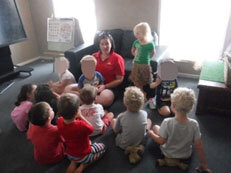
Over the last two days, Miss Tamara has been discussing with the children how we treat our friends and the things we should and shouldn’t do at school. Tamara has been modelling communication strategies to support the children in initiating interactions and joining in play experiences to sustain productive relationships with other children through discussions and scenarios. The children have begun to create their own ‘class rules’ and learn to read the behaviours and signs of others and respond appropriately. Slader and Eva decided that if we upset our friend or want to show them how we feel we can cuddle them. Tamara also engaged the children in a discussion about respectful and equal relationships such as when a child dominates the use of resources (LO2.3). Jadzia then added to our rules by saying “we be fair and share.” Sarah recognised the contributions she could make to the shared project (LO3.1) by saying “What about we don’t run inside too?” We will continue teaching the children skills and techniques to enhance their capacity for self-expression and communication (LO5.3) through more discussions and scenarios on learning to be kind to our friends and the things we will tolerate in our room together.

Case Study 3 – Learning How to be a Good Friend
Extending on from creating class rules (11.4.18), Miss Tamara sat with the children today to provide another opportunity for the children to engage in a meaningful learning relationship (LO4.4). Tamara did this through questioning how we can be a good friend to others. Aria began to then make connections between her own feelings and others (LO5.4), saying “you stop them from crying”. Tamara continued to ask the children how they can be a good friend to others. Hadley was telling Tamara her input as Tamara looked away for a moment. Hadley moved her head back and said “Look and listen” Tamara valued Hadley’s input and laughed, looking at her to finish “when they talk.” Sarah added “you give hugs and cuddles.” Slader began openly communicating his need for compassion (LO1.3) reaching out his arms for a hug from Nella before Sarah joined in too. Issy and Ivy began to bicker to each other as Issy didn’t want a cuddle from Ivy. Tamara then taught the children if their friends are hurting or upsetting them you say “Stop, I don’t like it.” Ivy demonstrated this well to her class mates.

Which child’s name is used the most in your room?

Why? Is it because you have to instruct this child the most, usually in a way that is moving them on from an inappropriate behaviour? When we talk about behaviour we say we need to meet the child’s needs, but what does that really mean? Try the method below to change the behaviour in your room meet children’s needs.

  1. Know the child from many different perspectives
  2. Write ideas to create curriculum for this child
  3. Implement these ideas
  4. Evaluate and adjust
  5. Repeat

Case study 3 Jackson the non listener, swearer, rude……
To meet Jackson’s needs we need to know him and create curriculum just for him. We need to look at this from:

  • Jackson’s Perspective
  • Parent’s Perspective
  • Educator’s Perspective
  • Director’s Perspective

Step 1 what do we know about Jackson?

  • comes to the service 5 days a week
  • lives with his mother and big sister
  • loves trucks, diggers and heavy machinery
  • has a room full of toy trucks, diggers and heavy machinery
  • has many pets including birds of all different types
  • went to see the snow on the weekend
  • loves spending time at Pop’s farm
  • sings with a microphone at his Grandparent’s place
  • is great around animals. I’ve seen him walking with cows and sheep
  • knows a lot about hand raising animals
  • loves fixing mechanical things with his Pop
  • finds building easy. He loves to build and fix things
  • helped his Pop and Mum build their bird cage at home
  • loves to climb. He climbs trees, the tyre tower, on and off the tractor
  • has lots of energy.


Step 2 – Write ideas to create curriculum for this child

What we know Comments and Ideas
Jackson comes 5 days a week Is Jackson bored? Is our equipment really interesting to him? Has he seen it all before? Is Jackson given a voice on what he wants to do? Have we asked him? What could Jackson teach us and the other children?
Jackson lives with his mother and big sister Could we go for a home visit?
Jackson loves trucks, diggers and heavy machinery What does Jackson know about this? We need 5-7 cm of soil removed from our mud patch and taken over to the trees in the corner and built up so the chooks don’t get out. Could Jackson be in charge of that? Make a plan, get him to organise, write it, draw it and implement it. Make a big deal out of it.
Jackson has many pets including birds of all different types What can Jackson teach the other children about birds and their care? Could he run lessons in the class to do this? His mum could help prepare it at home with him.
Jackson went to the snow on the weekend I want to know everything about snow -how it is made, how high it has to be before it falls, where they saw it? How could they make snow?
Jackson loves spending time at Pop’s farm What do they do on the farm that we could do here in the centre? For example using a wood work bench and tools. Could we introduce that? Ring Pop to find out more about Jackson and his farm skills we could implement here. What would happen if we asked Pop for help? What could he help with?
Jackson sings with a microphone at his Grandparent’s place We have a karaoke machine and mic in the storeroom. Open mic night here we come. I heard from a preschool that use a mic at group time and each child speaks into it, one at a time, building talking and listening skills. What a great literacy project, following words on a screen to sing.
Jackson is great around animals. I have seen him walking with cows and sheep Can Pop bring in an animal and we get Jackson and Pop to tell the other children all about it and how to care for it? If we don’t ask we will never know.
Jackson loves fixing mechanical things with his Pop Why haven’t we got old machinery and lawn mower motors out to fix and pull apart? What would happen if we again asked Pop for help or other fathers who could have motors etc.
Building is easy for Jackson. He loves to build and fix things What could he build with a plan and real material? Who knows? A new playground? We sure do need it.
Jackson loves to climb. He climbs trees, the tyre tower, on and off the tractor Where could we go to climb? What could we build to climb? How would we involve Jackson in designing the best ever climbing thing. Could he build a ladder to fill the parent pockets with information?
Jackson has lots of energy Do we need to add a heap more exercise 2 to 3 times a day to wear him out? Should we introduce heavy things to move around, like a sled?

Step 3 Implement these ideas.
Remember the guiding principle is ‘Meeting the Child’s needs.” Jackson’s needs are he wants to be a part of this learning environment and do what the adults are doing. Jackson needs to:

  • Be listened to. He needs to tell you and everybody how much he knows about his world
  • Be a teacher. He wants to show and help others understand about animals and farms because he gets so much pleasure from being on the farm and hanging out with Pop
  • He is always helping Pop and his Mum do things and fix things so he wants to show you how good he is at that.

Jackson to give the class lessons
Get Jackson to give a lesson about what he knows eg raising lambs, cows, fixing bikes etc. Also at the same time get Jackson’s friend who has a huge interest in pigs to talk about them.

The lesson needs to be 1 minute of Jackson talking, 1 minute with the group of children and educators asking questions and sharing knowledge. This can continue for as long as needed, but ensure you keep going around in one minute blocks. This will encourage turn taking.

At this time educators write down what the children know.

Jackson says “sheep need help because their mother loses them.” Jonty says “the lamb’s wool is soft.” And it goes on and on.

After the lesson add pictures and get Jackson to display the documentation eg hang them in the hallway. Remember he needs to be in control of this lesson, putting it together and displaying it.
Jackson and friend are to then take a friend, one at a time, to the display and teach them more about the lambs and pigs. For example Jackson takes Charlotte to learn more about lambs.

Then welcome them back. “Thanks Jackson for bringing Charlotte back. Now Charlotte can you tell me what Jackson taught you about the lambs? Great teaching Jackson. Ask another friend to go out and learn more about lambs with you.”

Repeat the process. This will create trusting relationships and Jackson will have a sense of achievement and a sense of your approval.

Another idea to ensure his need for helping is met. Getting the playground ready.

You stand near the door for supervision.
Jackson will be in the yard by himself, but you will be able to see him at all times.
Jackson gets the bikes out of the shed one at a time.
Jackson checks bikes for spiders.
Jackson cleans bikes ready for use by the other children.

Words you need to say

“Jackson, get five bikes out of the shed.  You need to get one at a time. Great work Jackson, this will be a great help to me.
Fantastic, one bike, four to go. (count down and repeat)
Check it for spiders. Make sure it’s a proper look. You know how they can get into small spaces.
Great work Jackson. You are good at looking for spiders. Keep going, 3 bikes to go.
Now you need to wipe and clean the bikes ready for the others to play on. Great.”


5.2.1 Collaborative learning

Children are supported to collaborate, learn from and help each other.

What are you doing well in the relation to the NSQ element 5.2.1?
That is the first question we need to ask ourselves every time we look at an element in the NQS. Once we have identified this we need to write it onto our QIPs as a strength. The second thing we need to do is identify where an educator, a room or a whole centre may need to improve, then work out a way to train everybody so they are meeting and exceeding the element.

Below I’ve pulled apart the NQS element and placed what may be observed if you were looking at the children. The second column shows an example and the third column shows what educators could be doing to meet the element 5.2.1. Evaluate the example by identifying the points you can see occurring in the children and educator sections.

What we may observe with children for 5.2.1 Babies example What we may observe with educators
Children:
  • participating in play and showing awareness and interest in others
  • developing friendships as part of a small group
  • engaging in enjoyable interactions with their peers, contributing to shared play experiences, and responding positively to ideas and suggestions from others
  • engaged in experiences that support them in establishing and maintaining relationships with children of various ages, genders, cultures and capabilities
  • engaged in ongoing collaborative projects they have initiated that involve research, planning, problem-solving and shared decision making
  • engaged in activities that may benefit others (such as helping re-set experiences or setting the table for a meal)
  • showing kindness and compassion towards their peers
  • negotiating roles and relationships in play and leisure experiences
  • spending time with their peers
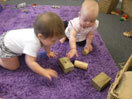
Build them higherThis morning Haley organised a simple building experience to promote small group interactions as she placed a basket full of blocks on the mat before stacking them on top each other, while encouraging Del, Maddy, Zoe and Stella to join in.

The girls crawled over to the basket and with arms reached in, grasping a block each with a smile. The girls actively contributed to this play experience as they mirrored Haley’s actions by placing their blocks on top of one another as steadily as they could before they all fell.

Each time the blocks stood still on top of the other or as they fell, the girls celebrated and shared their achievements with Haley and one another by clapping their hands and kicking their legs. Haley then began to explain “Yay!” with her arms up in the air.

Haley then ensured all the children experienced pride and confidence in their achievements by repeating the process and directing the children to stack differently shaped blocks.

This experience has given Haley the chance to encourage the babies to participate in a collaborative learning experience, as they worked together to create their tower. Learning outcomes: 1.4 & 1.3
    Educators:
  • supporting children’s progress through different stages of play, to help them gain confidence in interacting with their peers
  • modelling collaborative behaviour through their interactions with children and colleagues, to help children to initiate interactions and join in play and social experiences with their peers
  • respectfully and thoughtfully engaging in children’s group play and projects
  • supporting children to understand or communicate with each other
  • planning experiences that encourage children to work together to achieve success
  • allocating time for relaxed, unhurried experiences that enable children to collaborate and direct their own learning together
  • creating opportunities for peer scaffolding in small and large group play
  • asking follow-up questions to extend children’s learning in group situations
  • promoting a sense of community in the service
  • providing opportunities and resources for children to assume leadership roles and direct play experiences with their peers
  • acknowledging older children’s complex relationships and sensitively intervening in ways that promote social inclusion
What we may observe with children for 5.2.1 Toddler example What we may observe with educators for
Children:
  • participating in play and showing awareness and interest in others
  • developing friendships as part of a small group
  • engaging in enjoyable interactions with their peers, contributing to shared play experiences, and responding positively to ideas and suggestions from others
  • engaged in experiences that support them in establishing and maintaining relationships with children of various ages, genders, cultures and capabilities
  • engaged in ongoing collaborative projects they have initiated that involve research, planning, problem-solving and shared decision making
  • engaged in activities that may benefit others (such as helping re-set experiences or setting the table for a meal)
  • showing kindness and compassion towards their peers
  • negotiating roles and relationships in play and leisure experiences
  • spending time with their peers
Making play dough
During play this morning, Miss Tamara sat down at a table with some play dough ingredients. Ben quickly came over and asked “What are you doing, Mara?” Tamara replied that she needed some friends to help make play dough. Slader, Issy, Nate, Charlotte, Ruby and Ben all sat down patiently waiting to hear the instructions. Slader took the recipe and began pointing at the words, babbling away as Tamara told the children the instructions. Tamara handed Ben the cup and asked him to fill 2 cups of flour for her. Ben demonstrated an increasing understanding of measurement by filling the cup twice and allowing his friends to pour it into the bowl. Issy used language to communicate her thinking about quantities, by asking Tamara many questions when getting the salt like “How many cups?” and “To the top?” Ruby enjoyed pouring in and measuring the oil, while Nate and Charlotte managed a great job stirring the dry mix. Tamara reflected with the children on what they had learned by asking the children what ingredients we had used and measurements as they played with their play dough. The children did a great job remembering most of the method and measurements.
    Educators:
  • supporting children’s progress through different stages of play, to help them gain confidence in interacting with their peers
  • modelling collaborative behaviour through their interactions with children and colleagues, to help children to initiate interactions and join in play and social experiences with their peers
  • respectfully and thoughtfully engaging in children’s group play and projects
  • supporting children to understand or communicate with each other
  • planning experiences that encourage children to work together to achieve success
  • allocating time for relaxed, unhurried experiences that enable children to collaborate and direct their own learning together
  • creating opportunities for peer scaffolding in small and large group play
  • asking follow-up questions to extend children’s learning in group situations
  • promoting a sense of community in the service
  • providing opportunities and resources for children to assume leadership roles and direct play experiences with their
  • acknowledging older children’s complex relationships and sensitively intervening in ways that promote social inclusion
What we may observe with children for 5.2.1 Preschool example What we may observe with educators for 5.2.1
Children:
  • participating in play and showing awareness and interest in others
  • developing friendships as part of a small group
  • engaging in enjoyable interactions with their peers, contributing to shared play experiences, and responding positively to ideas and suggestions from others
  • engaged in experiences that support them in establishing and maintaining relationships with children of various ages, genders, cultures and capabilities
  • engaged in ongoing collaborative projects they have initiated that involve research, planning, problem-solving and shared decision making
  • engaged in activities that may benefit others (such as helping re-set experiences or setting the table for a meal)
  • showing kindness and compassion towards their peers
  • negotiating roles and relationships in play and leisure experiences
  • spending time with their peers
Today Miss Tara begun constructing a sensory space using the pallets in our reading area in order for the children to use their sensory capabilities to explore and respond to their environment. (L/O 3.2) Marlee, Sophie M., Thomas M., and Bella all helped Miss Tara complete the space. Marlee asked, “can I do that one?” referring to hammering the nail into the wood. Miss Tara assisted Marlee by getting the nail started then let Marlee continue. Sophie M. asked, “can I do one too?” Miss Tara happily did the same for Sophie, with both Sophie and Marlee spending time hammering their nails, focusing on the task at hand for an extended period of time. Bella helped Miss Tara attach different types of fabric to the wood using a hot glue gun. Miss Tara supported Bella to make appropriate decisions regarding participating in this task, by warning Bella that the glue was hot and to be careful, allowing Bella to assess risk and use the equipment safely. (L/O 3.2) Thomas showed interest in making the vertical blocks section by gluing Duplo blocks to the pallet so that more blocks can be attached and the blocks connect so they come out of the wall, as opposed to building on the floor or table. Thomas chose which blocks he thought should be the base blocks that attach to the pallet based on varying size and colour. Miss Tara encouraged Thomas to identify each colour and shape of the block as we worked. Educators:
  • supporting children’s progress through different stages of play, to help them gain confidence in interacting with their peers
  • modelling collaborative behaviour through their interactions with children and colleagues, to help children to initiate interactions and join in play and social experiences with their peers
  • respectfully and thoughtfully engaging in children’s group play and projects
  • supporting children to understand or communicate with each other
  • planning experiences that encourage children to work together to achieve success
  • allocating time for relaxed, unhurried experiences that enable children to collaborate and direct their own learning together
  • creating opportunities for peer scaffolding in small and large group play
  • asking follow-up questions to extend children’s learning in group situations
  • promoting a sense of community in the service
  • providing opportunities and resources for children to assume leadership roles and direct play experiences with their peers
  • acknowledging older children’s complex relationships and sensitively intervening in ways that promote social inclusion

5.1.2 Dignity and rights of the child.

The dignity and rights of every child are maintained.

The checklist below covers the basics of meeting the NQS Element. You need to be doing all of this or you may receive a working towards rating for this element. The most important part of the checklist is to ensure ALL EDUCATORS can do and show great practice plus they understand the element and can describe to other people and make them understand why you do things to meet the outcome of the element

Case Study – Look at the UN Rights of the Child, select an article then evaluate to see if it is in practice at the service.

Article 30
Children have the right to learn and use the language and customs of their families, whether or not these are shared by the majority of the people in the country where they live, as long as this does not harm others.

Maalaa brought in her Aboriginal dancing skirt that she made at home. Maalaa demonstrated how to do some aboriginal dancing with her peers. To follow on from this, Miss Eliza helped the preschool children make their own Aboriginal dancing skirt.
Clair, Maalaa’s mother, has identified the bush food that grows in the centre’s car park and which she and Maalaa pick and enjoy eating together. The centre was unaware they had native bush food in their car park. The owner planted the food because it was drought resistant.
Below are some fantastic resources created by the QLD Government to assist us to build connections to meet the rights of our Aboriginal/Indigenous children. I’m using both Aboriginal and Indigenous words because some First Australians use the term Aboriginal, and others use Indigenous.

QLD Foundations for success website http://www.foundationsforsuccess.qld.edu.au/ right to know culture and identity http://www.foundationsforsuccess.qld.edu.au/core/building-learning-bridges This relates to Indigenous children .

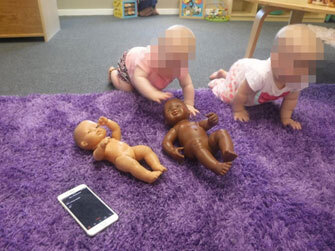
This morning Haley promoted a sense of community within our early childhood setting using an app on her
phone to explore Wiradjuri words. ‘Bali’ meaning Baby. The app is a word translator with a variety of words that you can listen to in the Wiradjuri language. Haley placed two babies on the mat and sat her phone next to them before pressing play on the translator. Ivy and Madeline turned their bodies to identify the sound before crawling over, following the noise.

Ivy reached for the baby as Madeline kept crawling towards the voice coming from Haley’s phone. Haley pronounced “Bali” herself, pointing to the babies as Madeline and Ivy actively listened to what Haley was saying, showing their understanding with a smile.

Madeline wasted no time in joining us on the mat to listen to the sound herself and began to positively engage with Haley, ivy and Madeline to form new friendships on her first day back in the nursery this year.

This morning we had a search for a new Wiradjuri word to further promote a sense of community within our room. Using the Wiradjuri word translator, Kymmy searched for the word “share” as we wanted to incorporate the word we use within our everyday routine in the Tommy Turtles room.
Kymmy pressed play on the translator before it voiced the meaning of “share with me” in the Wiradjuri language which was pronounced as Bundyi. The children watched and actively listened as Kymmy played the voice over and over in between saying it herself. Throughout the afternoon we have been encouraging the children to share items they found around the room as we repeated the word again. The children happily handed over items as they shared and broadened their understanding of the world they live in.

The core of this element’s exceeding theme is:
All educators ensure children’s rights and dignity are always met by working with families, each other and the educational leader to reflect upon their interactions with children. All Educators consider issues of social justice, respect and equality when creating their curriculum and ensuring it has meaning to their local community.

Exceeding theme 3: Families and community connection
Mass media is a part of our community and we need to think about how it connects to our local community, families and children, especially when we look at –

Article 17 of the UN Rights of the Child.
Children have the right to reliable information from the media. Mass media such as television, radio and newspapers should provide information that children can understand and should not promote materials that could harm children.

Firstly, discuss with all the educators you work with the types of media your children come into contact with. Create a list below.

___________________________________________________

Choose a few of those media forms and ask the following questions.


Do you think your chosen mass media gives us reliable information?

___________________________________________________


What do you think the children understand from this form of mass media?

___________________________________________________


Children’s TV shows are a part of mass media. Select one the children talk about watching. Do you think there is an underlying hidden message?

___________________________________________________


Are genders represented in a stereotypical way in the TV shows or are they being challenged?

___________________________________________________


5.1.1 Positive educator to child interactions

Responsive and meaningful interactions build trusting relationships which engage and support each child to feel secure, confident and included.

For children to participate they need to form trusting relationships with caregivers and other children to feel securely attached. “Attachment theory” was first proposed by John Bowlby (1907 – 1990). He proposed that children come into the world biologically pre-programmed to form attachments with others because this helps them to survive. Secure attachments let the child develop in a positive and confident way. Insecure attachments adversely affect the child’s learning and social and emotional development.

Children who are securely attached look confident. They may be quiet or energetic, but they participate fully in all the learning and development opportunities. They have good relationships with adults and other children and have the confidence to seek help when needed.

When children feel safe and secure, they will explore. If they feel threatened or wary, they will seek comfort from a trusted caregiver and have less interest in exploring and learning.

Children who are insecurely attached may be withdrawn or quiet. They may not engage with other children or adults and focus on activities more than relationships with people. They are unlikely to ask for help. Some children with insecure attachments crave attention and will engage in attention seeking behaviour. This makes it hard for them to concentrate on activities, rules and other people.

As a group, discuss the points below. Do you:
⦁ Set up a familiar place in your room that will be the drop off place for the child and parent every morning?
⦁ Ensure you are there when the child walks in?
⦁ Ensure you get down to the child’s height so you can look into their eyes when you greet them?
⦁ Make an honest effort to acknowledge all children and parents when you greet them and use their names?
⦁ Explain to children you will come back when you go to the toilet, lunch or leave the room?
⦁ Build trusting relationships with children with a hug, a conversation or warm looks and responses at all times of the day?
⦁ Tell children they are doing a good job and say you are there for them?
⦁ Always notice when children need your help?

After reading about Attachment Theory and discussing the points above, what does your practice for NQS element 5.1.1 look like compared to the element and the three exceeding themes?

____________________________________________________________

Exceeding theme 3: Practice is shaped by meaningful engagement with families and/or the community. The biggest influence on children’s lives comes from their family and community. When we understand more about the child’s family we can build a stronger relationship with the child and ensure they feel supported and included. Use the list below to learn more about the children you care for and educate.
⦁ Who lives in the child’s house?
⦁ What type of dwelling do the children live in?
⦁ What do the children eat for breakfast?
⦁ How do they get to your service?
⦁ Who belongs to the child’s extended family?
⦁ Who else is authorised to collect the children?
⦁ What parks do the children play at?
⦁ What coffee shops do the children go to?
⦁ What after school activities do the children go to?
⦁ Which shops do they visit?
⦁ What restaurants do the children go to?
⦁ What doctors do the children go to?
⦁ What hospital have they been to?
⦁ What do they do at home?
⦁ How many bedrooms do they have?
⦁ What toys do they have?
⦁ What books do they read?
⦁ What songs do they sing at home?
⦁ What TV shows do they watch?
⦁ What time do they go to bed?
⦁ What does mum and dad do for work?
⦁ Who are mum and dad’s best friends?

Exceeding theme 3: Practice is shaped by meaningful engagement with families and/or the community.

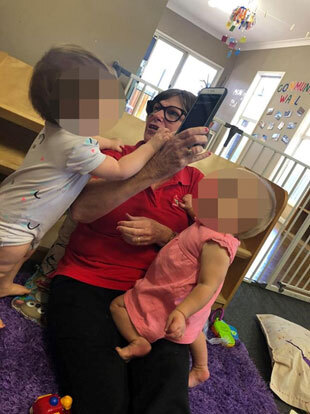
In the picture above, the educator is trying to see the world through the parent’s eyes. This is critical reflection because you are asking, “how could others’ knowledge (parents’ view) allow me to better understand the child?”
What’s unique about each of your families eg culture, heritage, work, lifestyle, hobbies?

____________________________________________________________

How do you use these unique features to strengthen the relationship with the child/ren?

____________________________________________________________

What have you changed because of this different viewpoint and critical reflection?

____________________________________________________________

Exceeding theme 2: Practice is informed by critical reflection. The NQS Guide wants all educators to demonstrate self-awareness and be purposeful in the consideration of the theoretical perspectives that influence their pedagogy and the practice across the service.

In the above picture, the educator is trying to see the world through her team member. This is a critical reflection and Exceeding Theme 2 because you are asking, “what questions do I have about my work? What am I challenged by? What am I curious about? What am I confronted by?”

People bring their emotional life and past experiences to work. It doesn’t have to affect work if you can identify it and work on it. An example that might help you understand this idea better is related to Attachment Theory. It is well documented that adults can repeat the process of ‘disorganised attachment’ from their childhood with their children. What isn’t as well documented is this cycle can be broken once people have identified the issue and are taught how to address it.

Working with children creates a huge emotional response in educators and Professor Peter Elfer from the UK has been researching how ‘Work Discussion’ groups can help educators deal with the range of emotions they experience in centres. He says working with young children requires a deep level of emotional engagement and with all our differences with family background, experience and expectations we need to create a space to have a ‘Work Discussion’ that consists of educators coming together to discuss their emotional wellbeing.

To connect the above ideas and Element 5.1.1, discuss the emotions educators can experience when working with children. Here are some points to guide the discussion:
⦁ Has there been a time when your emotions stopped you from being responsive to children and having meaningful interactions to build trusting relationships?
⦁ What behaviours might you see from an educator when they are emotionally afraid to build trusting relationships?
⦁ How could Educational Leaders and Nominated Supervisors emotionally support educators?


6.2.3 Community engagement

The service builds relationships and engages with its local community.

Community Connection
The element 6.2.3 basically says we need to build connections with community, strengthen them and use those connections to create learning opportunities for children. And don’t forget to share all of this information and learning with families.

Case Study – Excursion to Dubbo City Animal Shelter – Charlee
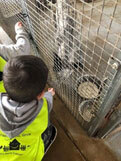
Charlee organised an excursion to the animal shelter as a follow up to our Responsible Ownership of Animals discussion with the RSPCA (31st August). The educators in Toddler 2 provided the children with access to the shelter and resources for them to investigate the impact of our actions on the animals (LO2.4). We discussed how adoption works and what happens to the animals that are left by their owners with the animal shelter workers.
Once at the shelter, we were greeted by a lady called Jane who unlocked the gate and walked us into a room then started to ask what animals we would like to see today. ‘Puppies!’ Ellie said excitedly. ‘Well what about some little kittens then I will bring a puppy in’ the lady said. ‘Yeah!’ the children yelled out. The children demonstrated care for the animals (LO2.4) as the kittens ran out of their cage and started to walk around the children’s feet demanding attention. Each child patted, held and played with the kittens. Carter, Jaiden and Ellie showed great interest in the kittens and loved the opportunity to care for them. The kittens were soon placed back into their beds and a puppy was brought out for the children to play with. The puppy jumped up and down, ran in circles and crawled onto Quentin’s lap for a cuddle. He was very excited. ‘We were hoping you guys could help us name this puppy because we haven’t decided on one yet?’ Jane said to the children. ‘Zeek’ Hadlee L suggested. ‘Hmm I like that name. It suits a unique puppy like this one’ Jane replied.
The children were then able to investigate new ideas around a puppy’s life experiences in a shelter (LO2.4) as we walked towards the cages and saw a little white puppy who was more than excited to interact with the children through the gate.
We then met Rob, who helped Charlee organise this excursion and find a way for the children to care for and learn about the animals (LO2.4) at the shelter. ‘Let’s go and make some beds, set out some toys and feed some of the puppies we have up for adoption’ Rob said. Rob and another worker handed the children some items then asked them to place the items in each cage for the animals. Churchill was handed a blanket to place on the bed, Rivah was given empty food and water bowls, Kyran was handed a scoop of biscuits to place in the food bowl and Hadley S was given a toy for the pups to play with.

Once the cages were set, the children were given the opportunity to feed the pups that were already in their cages. Rob demonstrated how we would feed the pups through the fence then each child was given a handful of biscuits and an option of which pup they would like to feed. After feeding the pups, we walked to a grassy area where the pups played and were able to run around with a Jack Russell that was up for adoption. This area provided the children with a range of natural materials (LO2.4) that the animals would play with, such as sticks and bones, as well as some toys the pups enjoy, such as balls and squeaky toys.

Exceeding theme 3: Families and community connection

Case study – Use community events
The excursions started when an educator saw a promotion for the NSW Firefighting Championship. She thought this would be a great opportunity for learning and an excursion. There were 72 children taken from the centre to the event. All went smoothly because all ages groups go on regular excursions into the community.

Fire Fighting Championships! (Rhiannon)
This morning Miss Rhiannon engaged the children in a group time, promoting a sense of community (LO 2.1) by asking, “what do you know about fighters and what they do?”
“They keep us safe, and they wear fire coats and they use the sirens on their trucks!” – Liam. “They use the hose.”- Aylarah
“They put out fires and wear special helmets.” – Jake
“They climb ladders.” – Ruby
“That’s right. They do all of those things. Can anyone tell me what the firetrucks have on them?”
“They’ve got ladders.” – Aria
“And a hose.” – Maddi
“They use the sirens so the cars stay out of their way.” – Brandon
“And they use the ladders to save people.” – Jake
“And cats too.” – Hunter

On our way to the firefighting championships
We then boarded the bus and made our way to the firefighting championships. When we arrived, Dominic (Rocky’s dad) had some activities for us to participate in but before we did that Fireman Sam shared lots of fire safety information with us.

“Who knows what number to call if there is a fire?” asked Fireman Sam. “000” said the children together. “Very good, now does anybody know what to do if they get too close to a fire?” “Run?” asked Hunter. “That’s not quite what we do. We have to get down on our hands and knees and crawl to the closest exit, so we get down low and go, go, go,” explained Fireman Sam. “Does anyone know what you do if your clothes catch fire?” “No,” said a few of the children. “Well what you do if that happens is we have to stop what we’re doing, drop to the ground and roll around. Does that sound funny?” “Yeah it does,” giggled the children. “I will show you. Now I might look silly but that’s what you have to do, ready? I’m going to stop, drop, and roll!”

“That’s it, good job guys! Do you think you’re ready to see inside of our practice drill truck?” “Yeah!” shouted the children. Inside the truck Sam and Dominic explained how they fill the truck with smoke and they have to find the people who are trapped inside. “Can we count how many people we find, and remember some of them might be hiding,” said Sam. “Here’s a person on the lounge” said Hunter. “And there’s one here hiding under the bed,” said Natasha. “And here’s another person!” said Maddi. “That’s 3 people in here!” counted Liam.

During this activity, the children explored the connections between people in the community (LO 2.3) as they understood that the fire fighters are there to help people.

Next, we moved outside so the firemen could show us a simulation fire. The fireman had set up a pot on the stove filled with oil. The fire chief explained, “if there is a fire and you are not confident to put it out ring 000 and wait for us to arrive.” “What happens if the door is locked?” asked Nicholas. “If the door is locked we will break it down so we can get in and stop the fire.” “Yeah or you can use a sledgehammer and go, bang!” explained Liam as he was demonstrating what to do. That’s right, we can do that too. Now we are going to show you what happens when you put water on an oil fire.” As a firefighter poured water on the pot the fire went from small to big and it went really high and got really hot. “Now we have to use a fire blanket because the water makes the oil hotter and makes the fire bigger,” explained the chief. The fire fighter then demonstrated how to put the fire blanket over the pot to stop the fire.

As we left the children said thankyou and waved goodbye to the fire fighters for broadening their understanding of the world they live in (LO 2.1).

The centre continued to promote the event to families
Dear Families, tonight there is a family fun night for all with a parade at 7.30pm and fireworks at 8.30pm. You are all welcome to come down and support your local and regional fire brigades. Come down and have a fun night with your family and with your local firefighters.

Providing Community Information
Does the service hold current information on relevant community resources/activities eg
  • Doctors
  • Dentists
  • Speech Pathologists
  • Libraries
  • Sporting Clubs
  • Music/drama/singing lessons
  • Swimming lessons
  • Parenting/Family Support Groups
  • Community fetes/markets/festivals
  • Child/baby health clinics
Is the information in a place where educators can easily access it?
Is the information in a place where families can easily access it?
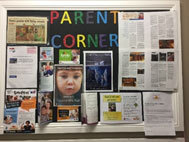
Is the parent library/noticeboard appealing to look at?
Is there a person who is responsible for keeping this area tidy, appealing and up to date?

What does it mean to consistently maintain effective partnerships with other early childhood professionals and the community to enhance each child’s learning, wellbeing and inclusion?

Visit to the Accountants – Our GST needs submitting
“I know, we can visit the accountant’s office behind the centre” said Tash. This will really help with our learning about GST and promote a sense of community. Jobs placed into real life scenarios that children are familiar with promote a better understanding of the community we live in.
Off to the accountants we go. We were very lucky to have Frank give us a guided tour of his accountancy business. Frank showed us the office and where everybody works and we sat in the presentation room with a big screen. This is where the fun began. Max told Frank we have been looking at the GST, and Max said “Where does it go.”
Frank was impressed with Max’s question and told us about GST. Frank taught us that GST is goods and service tax, and just about everything has it except some food, education and houses. He said GST is 10% of the price. As a group we listed many items we buy to see if they have GST (see our list in the room). Frank went on to show how a person pays 10% GST, then a shop collects the GST and gives it to the Government. Frank gave us copies of BAS, which stand for Business Activity Statement. This is something we will be using now in our shopping setup in the room.

What does it mean to enhance the educational program for each child with the community?

Continuing to learn how to manage our emotions, Chelsea decided to extend children’s learning and established a partnership with local community member Pamma, a Buddhist Monk. Chelsea discussed with Pamma the need to teach the children meditation techniques to assist with self-regulation. Pamma explained to the children” all monks meditate, sometimes it’s to make negative feelings go away and sometimes to keep the happy feelings inside.” Pamma then showed everyone a special feelings jar made up of glycerine, oil, water, dishwashing detergent and glitter. “When we are sad or angry or frustrated or scared, we can have lots of things spinning around inside our heads like this jar. And when that happens there are things you can do to help you feel better.” Next, we read a book called ‘Moody Cow Meditates’ by Kerry Lee Maclean. It was about a cow named Peter who was having a really bad day. Having started his day missing the bus, wiping out his bike, losing his temper and getting into trouble, his school friends started calling him a moody cow. His day got worse until his grandad came over to his house and showed him the magic jar and then all his bad feelings went away. Ella, reflecting on her emotions LO 3.1 said, “I feel happy, ”Aria and Maddy said “I feel excited, ”Torah said “I feel ok, ”Landon said “cranky,” Xavier said “I feel bored.” Using this information Pamma taught the first meditation technique. “Can we all pretend we are holding a cup of hot chocolate? Now, when you’re feeling unhappy breathe into your pretend cup like your cooling it down to drink. Can everyone do that?” Now does everyone feel better?” asked Pamma. Everyone said yes. The next technique learnt was a bubble technique. “Can everyone pretend they are holding bubbles and are trying to make the biggest bubble they can” asked Pamma. “Now, blow that bubble as hard as you can and that will help you to feel happy.” The last technique was listening to the sound of a bell. Chelsea gave Pamma a big bell. Pamma hit the bell and said “now can you all hear the bell? Close your eyes and listen to the bell as the sound fades away. This is like when we watch the magic jar and see the glitter settle, our feelings settle as the bell stops.” “That is so cool” said Lewi. We thanked Pamma for her visit and will use these techniques as part of the program to enable all the children to self-regulate their emotions.


6.2.2 Effective partnerships

Effective partnerships support children’s access, inclusion and participation in the program

Access and Participation Inclusion
How are you meeting the additional needs of all children at your service? Additional needs is the term used for children who require or will benefit from specific considerations or adaptations and who:
⦁ are Aboriginals or Torres Strait Islanders
⦁ are recent arrivals in Australia
⦁ have a culturally and linguistically diverse background
⦁ live in isolated geographic locations
⦁ are experiencing difficult family circumstances
or stress
⦁ are at risk of abuse or neglect
⦁ are experiencing language and communication
difficulties
⦁ have a diagnosed disability—physical, sensory,
intellectual or autism spectrum disorder
⦁ have a medical or health condition
⦁ demonstrate challenging behaviours and
behavioural or psychological disorders
⦁ have developmental delays
⦁ have learning difficulties
⦁ are gifted or have special talents
⦁ have other extra support needs.

As you can see additional needs covers a lot, but the question is how you support these children and families? The NQS wants us to ensure we have a great connection to all services in the community that can assist children and families.

Case Study – Type 1 Diabetic child in our group
Recently one child was diagnosed with type 1 diabetes, (born with it, not brought on by lifestyle) which meant we were thrown into a steep learning curve as no educator in the group had experience with diabetes.

First, we worked with a Diabetic Nurse and got some training. The nurse brought a teddy bear in and we practised giving an injection to the bear. We were all terrified about this part as we don’t like needles ourselves, so giving a child a needle was confronting the first few times. The nurse assisted with timings, readings of results and practical ways to deal with situations.

We consider ourselves lucky because Jane, an educator in the other room, is diabetic. Her knowledge and experience helped us a lot and together we reflected from many different perspectives, for example, what it would be like for the child, how best to communicate with the parents, how the experience could affect other children in the group, what learning we could extend upon and especially how to make sure the child didn’t feel singled out because of her diabetes.

Case study – excluded from care because child is autistic.
Recently we have assisted a grandparent as a centre refused care. This situation is a good reminder for us as educators to know our responsibility under the Law. The Law sits above the regulations and in this case, the Law says
(3) The guiding principles of the national education
and care services quality framework are as follows—
(a) that the rights and best interests of the child
are paramount;
(c) that the principles of equity, inclusion and
diversity underlie this Law.

All approved providers must comply with the law, and they must demonstrate how they have done everything possible to accommodate a child. Basically, you can’t say no because it’s all too hard. Generally funding is available from the Inclusion Support Program (ISP)

Exceeding theme 3: Families and community connection

Case study – What a parent of children with additional needs wish educators knew. Chelsea, mother of two children on the autism spectrum.

Before Diagnosis
“I wished the centre had a list of all the professional people in the community I could access, so my children could have received help quicker” said Chelsea, mother of two children diagnosed on the autism spectrum. “It took me a long time to find then go to all the medical specialists before getting a diagnosis. I knew my children were not right, but I couldn’t put my finger on it. I took them to medical professionals, but at first, they said nothing was wrong and this was very frustrating because 20 minutes later I would be in the noisy supermarket with lots of people and bright lights and the behaviour and meltdowns would start. But when my kids were in the quiet doctor’s surgery they didn’t display the behaviours.

When my kids started school, the teachers wrote in their reports about their learning problems. When I took those reports to the experts they started listening but then they wouldn’t diagnose my children until 6 years of age.

At the centre
I just wanted the educators at the centre to be more sympathetic. I know this is hard, but I felt they didn’t understand the stresses that I was going through. For example, it can take me a long time to get the children out of the house some days. Most are good but every now and then my child might have a meltdown, then it just takes time to get him settled before we can leave.

Toilet training was horrendous. The centre and I didn’t work together. It wasn’t that I didn’t want to work with the centre, they didn’t want to work with us. I know my son and I knew what was working when it came to toilet training. I nearly had him trained then after a situation at the centre he reverted backwards and was terrified to use the toilet. I tried to seek information about what occurred but the educators said nothing happened.

More training is needed for educators
I wish my educators had a better understanding of children with additional needs, especially sensory processing disorder. Educators think children can snap out of it, but they can’t. So telling a child to calm down, or going in for a hug in a meltdown situation just never works. What works is for the educator to be there for when they are ready. Educators need to understand more about meltdowns and be taught that in the child’s mind that is the only thing that matters and it’s like they are in a loop that won’t break and let them see another way.

When meltdowns occur, don’t touch them, don’t tell them to calm down, make the room safe and don’t let the other children stare at them. Let them talk when they are ready. They will eventually come out of it.

More tolerance from educators
If he is having a rotten day, the educators need to support him and not judge, or worse still expect him to behave like a typically developing child, because he isn’t.

As a parent I feel that we are getting judged, getting to class and then work on time is not always going to happen when you have children with additional needs.

Educators fear children with additional needs
I find educators can be scared because they don’t know what to do with additional needs children or how to help them.

I wish there was a lot more support for educators.”
Chelsea


6.2.1 Transitions

Continuity of learning and transitions for each child are supported by sharing information and clarifying responsibilities.

Younger children

Exceeding theme 1: Practice is embedded and Exceeding theme 3: Family and community engagement

Using the checklist above, we need to work out who is doing a great job and celebrate it as a strength ready for the QIP, or identify who needs to have their skill and knowledge improved and create a lesson plan to do this.

Case Study – Great practice identified and embedded.
We visit our children’s home before they start at our centre to ensure the child has the best transition.
Our Centre provides a great transition for children. We do this by offering all new families a “home visit” so that children can meet and spend time with educators in their own home. Children benefit from meeting educators in their home environment as it is where they feel most safe and secure. They recognise that their parents have let these people into their home, so they can be trusted. When children start at the centre, they have a familiar person to reach out for, which helps with their transition, especially in those first few days and weeks. It also helps to form a relationship between parents, educators and children before children even start their first day in care.

Educators chat and have a coffee with mum and/or dad on home visits, learn what children’s interests and favourite toys are, look at family photos and meet family pets. This helps educators to feel more comfortable with parents. Educators benefit, as the home visits give them something to talk to children about to help strengthen the link between home and the centre.
Parents realise that they, along with their child are special and important to us, as we have gone to the effort to come to them, and it gives them the time and opportunity to talk on a more involved level with educators. Parents also benefit from home visits as they have someone familiar to leave their child with on their first day – not a complete stranger. As educators and parents have already met, it helps to create a bond from the very first day – paving the way for strong relationships to develop, which encourages parents to be involved in and contribute to service decisions – because they know how valued they are to us. Mel Nursery 2 educator has been on several home visits, and enjoys meeting children and families in their own environment, and has found that parents seem much more at ease on the first day when they have had a home visit.

Mel also knows that we are demonstrating our commitment to Learning Outcome 1 of the EYLF (Children have a strong sense of identity) by building secure attachments, and establishing trusting relationships through the implementation of our home visit program.

3-5-year-old children

Using the checklist above, we need to work out who is doing a great job and celebrate it as a strength ready for the QIP, or identify who needs to have their skill and knowledge improved and create a lesson plan to do this.

Case Study – Great practice identified and embedded.
All educators’ photos and monthly roster are displayed for parents both in the room near the lockers and on our closed Facebook page. This has helped parents learn our names and us learn their names. Through the closed Facebook pages we are encouraging parents to tell us about their weekends, the everyday things children do at home and their child’s interest. This helps transitions in the morning because we have things to discuss and ideas to plan from.

Kangaroo room educator Tara says “drop offs and pick-ups are a great time for me. I quickly check our room’s Facebook page to see what the children and family are up to. It’s a great conversation starter and from there we identify if there are any changes to their home routine or interesting events that we can extend learning with. This allows us to tailor the day for the child. For example:

Luci loved wearing her Rapunzel hair on the weekend, Asher made his signature dish again tonight – Spag Bol and how it takes Mum Meanie hours to clean up cornflour after her twins make ‘cloud dough’ at home. We learnt Stella and Khloe were excited to talk to us about the watches they received as birthday presents. All of this great information has created valuable learning. For example we are planning and making lunches the children want to eat, not every day but at least once a week. Time and measuring learning has extended now for weeks. As well as setting up a ‘Rapunzel playworld’ for all of us to join in.”

Case Study – School Selection and School Readiness
March 9th Message from mother in the Kangaroos closed Facebook page. “I’m hoping this is okay to ask here – if not please let me know and I can delete. For those parents with kids going to school next year – where are your kids going? I’m new to this and realising I need to figure it out pretty soon!!”

Reflection
I didn’t realise how anxious and nervous parents get about school. and don’t know what to expect, who will be there, if their child will have the skills and knowledge necessary for school. I forget that my children are older and nearly left school. How can I help?
I feel that school transition is something we can do better and need to start now.

We need to establish strong, sensitive and equal relationships with families to successfully promote transitions. We may also need to establish these relationships with local schools and early intervention/additional needs professionals. Here are some ways we can develop these relationships:
⦁ home visit program
⦁ families and educators exchange (at least basic) information about children during drop-offs and pick-ups
⦁ educators share with families some of the specific interactions they had with the children during the day
⦁ information about children’s eating and sleeping patterns is provided to families
⦁ during the settling-in period, educators discuss with the family how their child is adjusting and together they plan to support the child
⦁ educators consult with families about experiences and resources that children use at home eg in physical play
⦁ educators respect families’ wishes for the religious or cultural aspects of eating, drinking and food handling
⦁ educators liaise with families to establish hygiene and dental care practices that will work at home and in the service
⦁ families are consulted to ensure each child’s needs in relationship to nappy changing and/or toileting are met
⦁ educators work with families to develop a consistent approach to toileting that reflects family routines
⦁ sleep routines and settling techniques match home routines where possible
⦁ information about local schools and school readiness is provided to families in an accessible format
⦁ educators, families and outside professionals meet to discuss support plan and appropriate practices

Describe why your centre is unique due to the geographical, cultural and community you are located in.

____________________________________________________________

Describe how you hear the voices, priorities and strengths of the children and families at the centre.

____________________________________________________________

Describe how you support families to build relationships with relevant community services and agencies that enhance children’s wellbeing, learning.

____________________________________________________________

Describe how you look for and build new community partnerships based on your family and children’s strengths.

____________________________________________________________


6.1.3 Families are supported

Current information is available to families about the service and relevant community services and resources to support parenting and family wellbeing.

Raising children can be difficult
The NQS wants us to use our strong relationships with parents to provide support for them, especially new parents. We need to be able to support families in their parenting role by being readily available for informal discussions with them at mutually convenient times. Further support is offered by referring families to current information on parenting and family issues displayed in the service, as well as referring them to recognised parenting and child development websites.

Case Study 1 – Role play parent interactions.
Karen the room leader says she and her educators, especially new educators, regularly act out and role play parent interactions to improve them. Karen says “not all educators feel comfortable talking to parents, especially when the educator is new, so that is why we act out and role play many different scenarios. These include:
⦁ Morning drop offs and afternoon collection of children, both easy transitions and difficult ones where the child is upset
⦁ what has happened through the day
⦁ taking parents to the curriculum and showing learning
⦁ talking about the family’s weekend adventures so we can use it for curriculum
⦁ encouraging parents to participate in the curriculum
⦁ difficult conversations (behaviour etc)
⦁ friendships their child is forming
⦁ activities to do at home with the children
⦁ staffing changes (educator away on leave or extended illness)
⦁ child’s illness
⦁ professional support services
⦁ sourcing community information (OT, doctors, professionals etc)
⦁ community events for children the busy parents might not know about.
This process has created a strong bond between parents, educators and the children. I tell my educators to always make the first move as some parents might be scared to talk to us, or don’t know what to talk about.”

No parent is going to take advice from educators they haven’t built trust and rapport with. That is why we need to practice, and role play our interactions to build our confidence, which in turn can assist parents.

Case Study – Not good
Educators stay seated where they are and yell across the room and say to the parents “Yeah, they had a good day.” Parents never ask educators for support.

Exceeding theme 3: Practice is shaped by meaningful engagement with families and community

Difficult conversations regarding children are easier when we have a great relationship with parents.

Case Study – three positives to one concern
At a centre, there were many children with difficult behaviours consistent with autism. Educators were frazzled, exhausted and ready to resign. The Nominated Supervisor and educators reflected and made a huge effort to start working with the families. After consistent relationship building which included talking to the parents about three positives the educators were having with the child and one area of concern, the families were then ready to take advice and seek further professional assistance.

Case Study – Parents opening up and requesting help
Not all parents are ready to hear advice from us, but as the relationship builds between educators and parents they will slowly ask for advice. A parent told the educator how unwell she had become. She described how her son would push toy dump trucks up and down her hallway from 4am each morning waking the whole household. The educator saw this opportunity to lead the parent to the specialists by telling her the specialist may have many strategies to help them to get the child to sleep through the night, so she could get a good sleep. The parent took the advice and sought the assistance from the specialist. Both the family and centre have a plan to assist the child and the mother and other family members are getting better sleep.

The key to supporting families is strong relationships and having community information ready and accessible for parents when they need it.
Remember to have information for parents to access without them needing to ask.


6.1.2 The expertise, culture, values and beliefs of families

The expertise, culture, values and beliefs of families are respected and families share in decision-making about their child’s learning and wellbeing.

Exceeding theme 1: Practice is embedded and Exceeding theme 3: Family and community engagement

Case Study – Great practice identified and embedded.
This morning Kayla gathered the children to welcome Ili back from her Fiji holiday visiting her grandparents. Kayla incorporated family input provided by Ili’s mum LO 5.2 as she read and shared a book with the children LO 5.2 to allow them to have a better understanding of Fiji.

Kayla called Ili up to show and explain to the children where Fiji is located on the map. ‘Can you say Fiji’ Kayla asked? Ili, Grace and Krishna repeated ‘Fiji’. ‘Did you have fun Ili’ ‘Yep’ she replied. ‘How did you get to Fiji’ Kayla asked. Ili said ‘plane’. The children were curious about the visual images in the book and responded with questions and interests as they pointed and engaged with Kayla. LO 5.2

Kayla provided a range of resources and integrated technology for the children to investigate and take part. Together they researched how long the plane ride took. ‘It took Ili 4 hours to get to Fiji’ Kayla told the children. ‘Oooh’ Molly responded. Kayla played a short clip that showed the children how planes work and how they made it to Fiji from Australia. ‘Does anyone know what sound a plane makes?’ ‘Yep’ Ili replied. Kayla demonstrated while the children repeated it. Kayla spent time conversing with the children as the children participated in a variety of activities to expand their curiosity LO 4.1

Reflection – After talking to Ili’s mother at drop off, I thought we would be able to talk and learn more about Ili’s grandparents and Fijian culture, but Ili was more fascinated with the plane ride there, so that is the direction we took today. The culture and grandparents haven’t been forgotten and will be explored in the future.

In your curriculum you should be able to identify learning stories like the one above to show how this element is embedded.

Case Study – What happens if an educator doesn’t do something that is required in the NQS element?

The Koala room identified that conversation between educators and parents was basic. Educators were saying “they had a great day”. Upon further investigation and reflection educators said they didn’t always feel comfortable talking to the parents and didn’t know all parents’ names. The Room Leader with the help of the Educational Leader created a lesson plan for the educators to better know their parents which in turn will assist educators to obtain parent’s views, their expertise, culture, values and beliefs to help make better decisions about children’s learning and wellbeing.

Exceeding theme 2: Practice is informed by critical reflection

The EYLF/MTOP says ‘Critical reflection involves closely examining all aspects of events and experiences from different perspectives. Educators often frame their reflective practice within a set of overarching questions, developing more specific questions for particular areas of enquiry.’

To create a ‘different perspective’ and critically reflect we need to imagine ourselves looking at things through different people’s eyes. Questions to reflect upon through different perspectives. Remember reflection should cause a change in practice and you need to identify how and why you made these changes to the assessor.

Educators looking through the eyes of children
Looking through the eyes of children, explain how ongoing engagement with families influences the design and delivery of the educational program.

Ili was very involved in the learning. She jumped up and helped me read the book, pointed to pictures and explained in detail features of Fiji, which has made me think about how much young children really know and more importantly how much we could be holding them back. I felt she had more of a sense of belonging wanting to show and teach the other children about her life.

Her capabilities have changed our practice in the way we ask for family input from all families to ensure their culture is known to us and we involve the children in the teaching process

Educators looking through the eyes of parents
Looking through the eyes of parents. Do they feel supported and are they able to engage and participate in the curriculum?

I don’t think parents know they can participate in the curriculum. I’m now wondering if parents are seeing it as our job alone when their child is here. We encourage family input by having daily conversations with families and posting Facebook, but now we are going to point out how important this information is and how it allows us to have a better understanding of their culture, values and beliefs.

Educators looking through the eyes of the Nominated Supervisor
Looking through the eyes of the Nominated Supervisor and admin people. How are they consistently tailoring their approaches to communicating with and engaging with each family to seek out families’ views?

I don’t think the Nominated Supervisor and front office staff know to pass on all the little bits of information they get from families to us. This is important because the room at drop off is sometimes stressful, and we don’t always get the relaxed version of families lives like the front office. They may think families tell us, or we just hear and know it. We need to remind them to pass on information.

Exceeding theme 2: Practice is informed by critical reflection
The EYLF/MTOP says ‘Critical reflection involves closely examining all aspects of events and experiences from different perspectives. Educators often frame their reflective practice within a set of overarching questions, developing more specific questions for particular areas of enquiry.’

To create a ‘different perspective’ and critically reflect we need to imagine ourselves looking at things through different people’s eyes. Questions to reflect upon through different perspectives. Remember reflection should cause a change in practice and you need to identify how and why you made these changes to the assessor.

Educators looking through the eyes of children
Looking through the eyes of children, explain how ongoing engagement with families influences the design and delivery of the educational program.

Educators looking through the eyes of parents
Looking through the eyes of parents. Do they feel supported and are they able to engage and participate in the curriculum?

Educators looking through the eyes of the Nominated Supervisor
Looking through the eyes of the Nominated Supervisor and admin people. How are they consistently tailoring their approaches to communicating with and engaging with each family to seek out families’ views?